
Lucie’s Story: An Important Message for New Parents of A Child with Achondroplasia
This is not an easy story to share — but it is a necessary one.
Kaylee, a mama from Washington state, recently reached out to the foundation with an experience she hopes no other family ever has to endure. Her goal in sharing her daughter Lucie’s story is simple and powerful: to raise awareness, close a gap in education, and prevent tragedy.
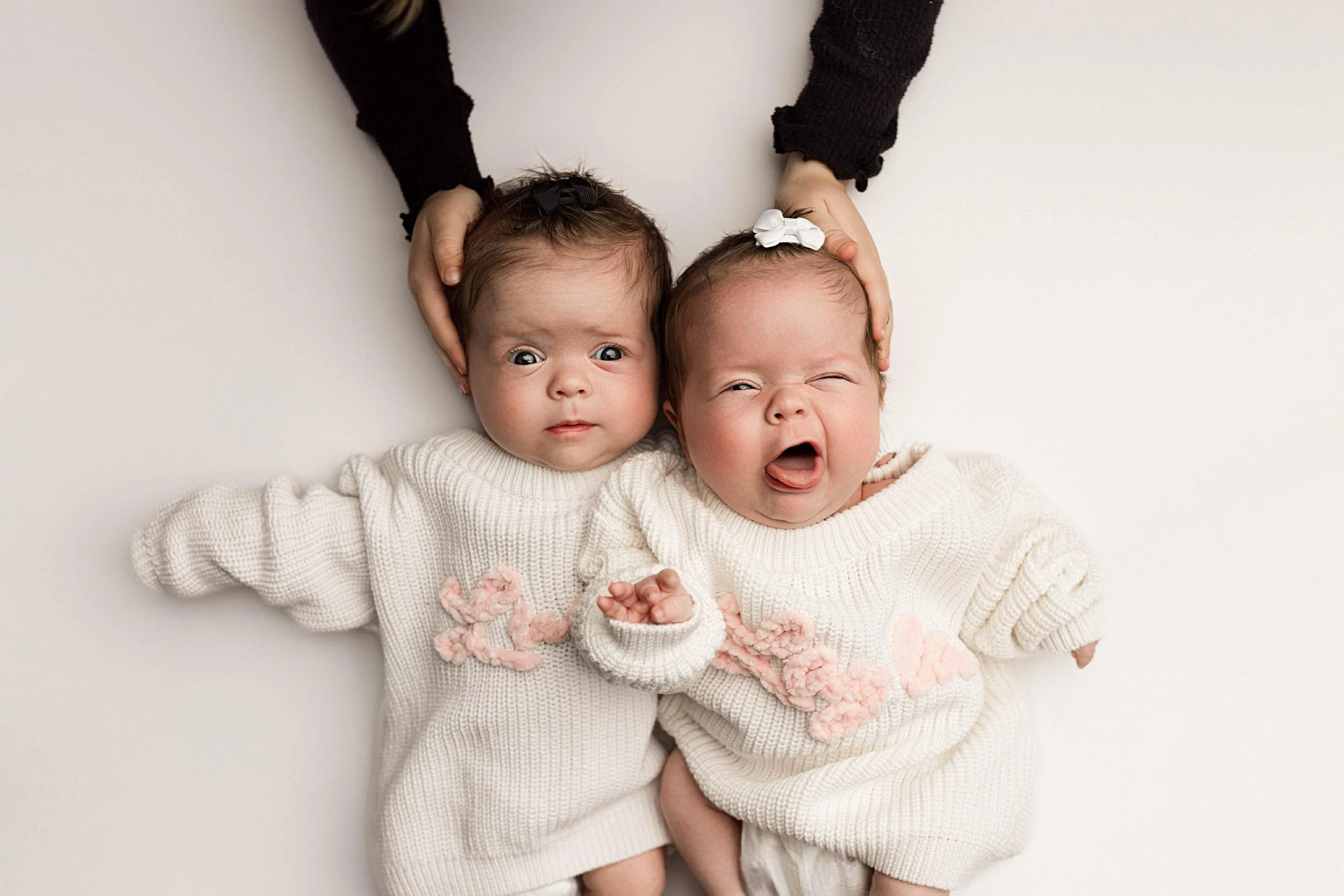
Lucie and her sister Layla.
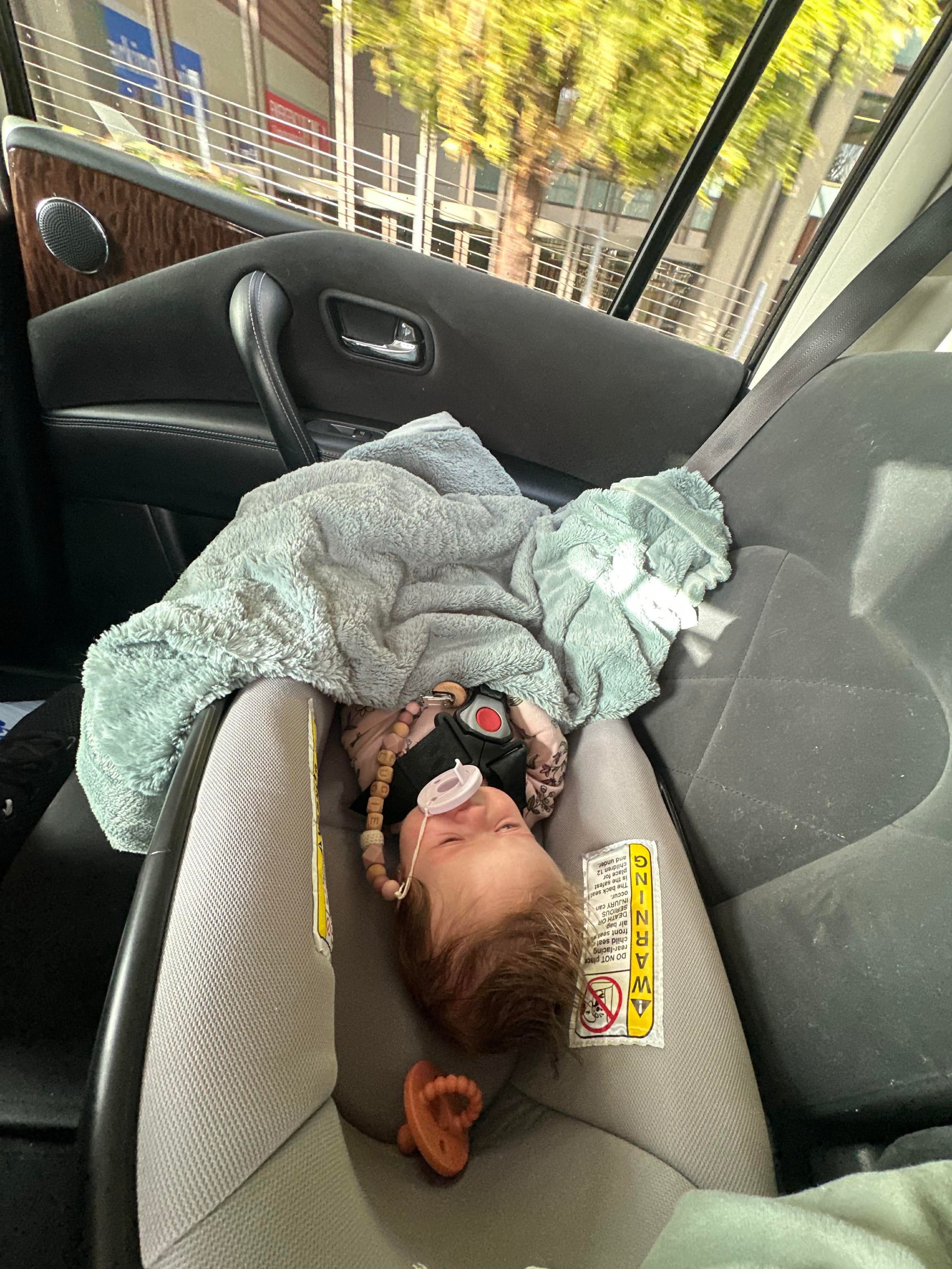
Lucie was born prematurely at 33 weeks as part of a twin pregnancy with her sister Layla. Like many families welcoming medically complex babies, their parents did everything they were told to do. Lucie passed the required 90-minute car seat tolerance test before being discharged from the NICU. Her infant car seat was professionally installed and inspected, and her parents used baby mirrors so they could monitor her during car rides. Despite all of these precautions, Lucie nearly suffocated in her car seat known as car seat asphyxiation.
Her airway became compromised in a way that was not visible or audible. Her parents could not see or hear that she was struggling. Lucie required CPR and emergency medical intervention. Miraculously, she survived. She has since made a full recovery and is back home with her family, but her parents are left with the weight of knowing how close they came to losing her.
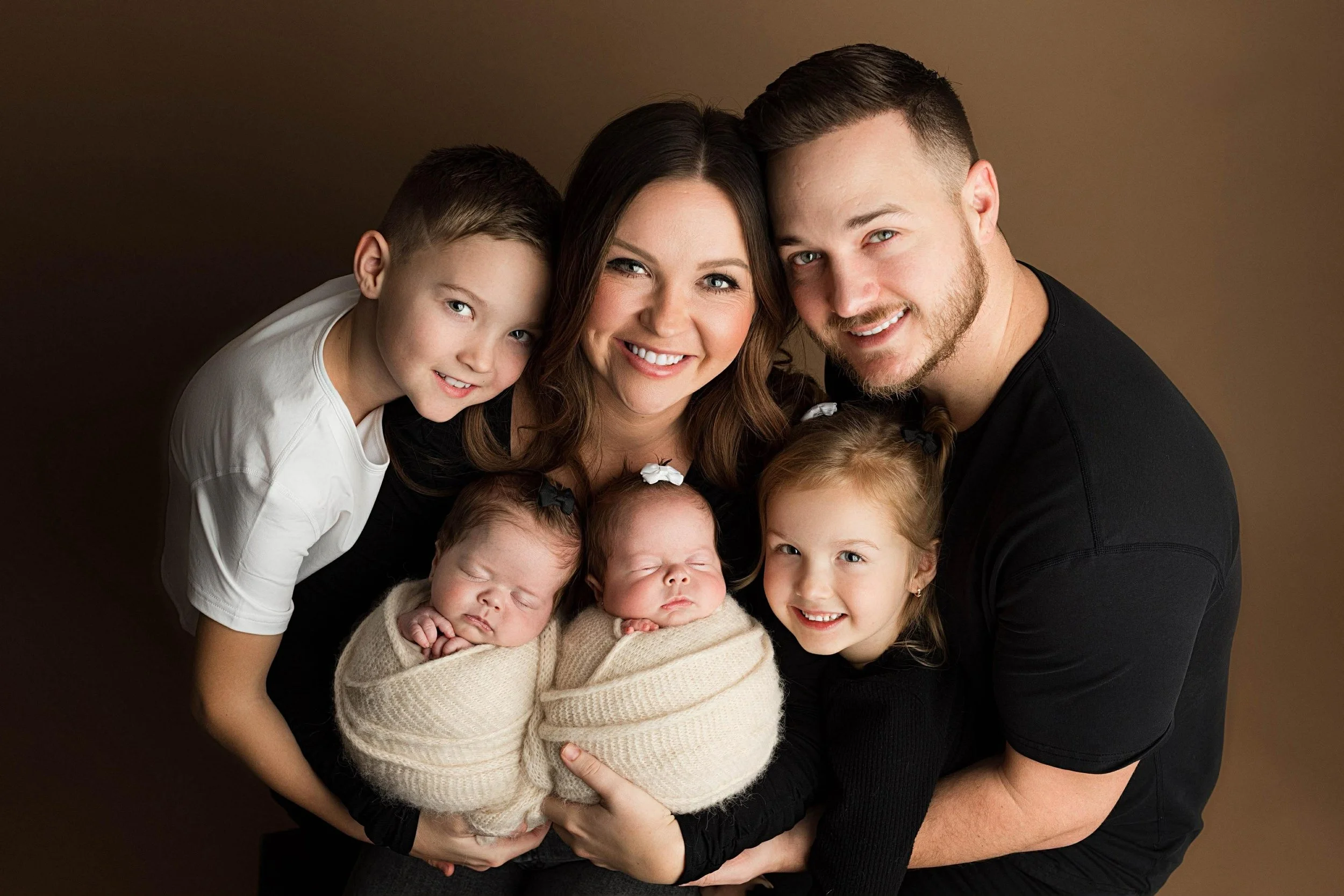
Beautiful family.
Babies with achondroplasia have unique anatomy, including differences in head size, neck strength, airway structure, muscle tone, and spinal alignment. These differences can make standard infant equipment unsafe, even when that equipment meets general safety standards. Traditional infant car seats may allow the head to fall forward into a chin-to-chest position, compromise the airway without obvious signs, or fail to adequately support the neck and spine. In Lucie’s case, prematurity added an additional layer of risk, but her family has since learned that similar incidents have occurred in full-term babies with achondroplasia as well. Other families have shared stories, some with devastating outcomes.
In addition to car seat safety, many skeletal dysplasia specialists provide guidance around positioning and supportive devices during infancy. Families are often advised to avoid devices that bend or curve the back, such as soft infant carriers, infant swings, umbrella strollers, and other slumped seating devices. Hard-backed, supportive carriages and strollers are generally recommended to help maintain proper spinal alignment. Supporting a baby’s head and the back of the neck at all times is especially important, particularly during transport and handling.
Parents are also encouraged not to rush developmental milestones. Babies with achondroplasia should not be encouraged or positioned to sit before they are able to do so independently, in a Bumbo, for example. It can take longer for children with achondroplasia to sit on their own, and each child follows their own developmental timeline. Propping a baby into a seated position with pillows or supports can place unnecessary strain on the spine and neck and is generally discouraged. These recommendations exist to reduce the risk of spinal compression, airway compromise, and injury during a particularly vulnerable stage of development.
“I wish so badly I would have put her into a car seat bed from the very start of life. I spent so much time researching before my girls were born and never found information about flat car seat beds. Our trauma could have been completely avoided had I known they existed.”
After Lucie’s emergency, her family switched to a car seat bed, which allows babies to lie flat and significantly reduces the risk of airway obstruction. What many parents do not realize, and what hospitals do not always proactively share, is that most hospitals can provide a car seat bed upon request. Car seat beds are often used for babies with airway, neurological, or muscular concerns and may be a safer option until a child develops stronger motor control and airway protection.
Lucie’s mama shared that despite extensive research before her daughters were born, she never came across information about car seat beds. She now believes her family’s trauma could have been completely avoided had she known that flat car seat beds were an option from the very beginning.
This story is not shared to place blame. It is shared to raise awareness and to close a dangerous gap in education. At Little Legs Big Heart, we believe that knowledge is power, and in this case, knowledge can be lifesaving. We urge parents to ask about car seat beds and safe positioning before hospital discharge, hospitals and NICUs to proactively discuss transportation options for babies with achondroplasia, and pediatricians, geneticists, and specialists to include car seat and positioning education in early counseling.
Today, Lucie is home. She is safe. She is surrounded by love. Her parents are filled with gratitude and with determination to ensure that no other family has to learn this lesson the hard way. By sharing Lucie’s story, we honor her strength and turn a frightening experience into protection for future babies.
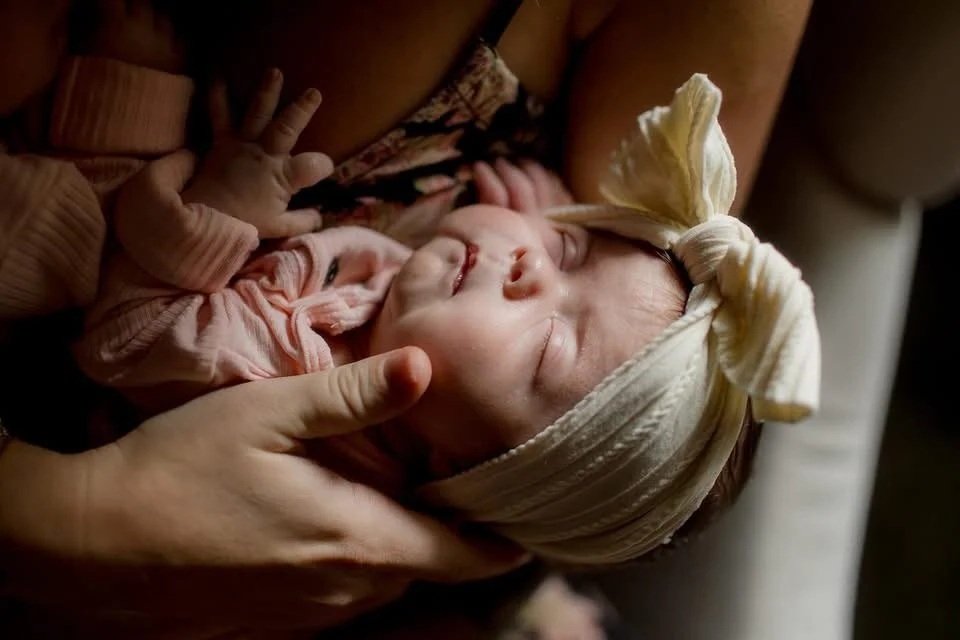
If you are expecting a baby with achondroplasia or caring for one now, please talk to your medical team about car seat options and safe positioning. Ask questions. Advocate loudly. Know that you are not alone and we are here to support you!
Medical Disclaimer: The information shared in this blog post is intended for educational and awareness purposes only and is not a substitute for medical advice, diagnosis, or treatment. Every child with achondroplasia or skeletal dysplasia is unique, and car seat and positioning needs may vary based on individual anatomy, medical history, gestational age, muscle tone, and airway considerations. Parents and caregivers are strongly encouraged to consult with their child’s medical team, including neonatologists, pediatricians, geneticists, pulmonologists, and certified Child Passenger Safety Technicians experienced with medically complex infants, before selecting or transitioning between car seats, car seat beds, or supportive devices. Little Legs Big Heart Foundation does not endorse specific products and encourages families to work closely with qualified professionals to determine the safest options for their child.
